
When Does Not Drinking Get Easier?
This can help you avoid much of the unpleasantness that can occur as withdrawal symptoms develop. By week three, you will have saved about $450–$600 from not buying alcohol. Your calorie intake will be about 9,000 calories less, leading to a potential drop in weight of about three pounds.
Understanding the challenges in early recovery
While you will still likely have some alcohol cravings, you will probably feel pretty good about quitting alcohol. My friend, if you can go what is alcoholism months and months without drinking, you can do anything! If these emotions become excessive, they can hold you back from recovery.
Rehab for Professionals
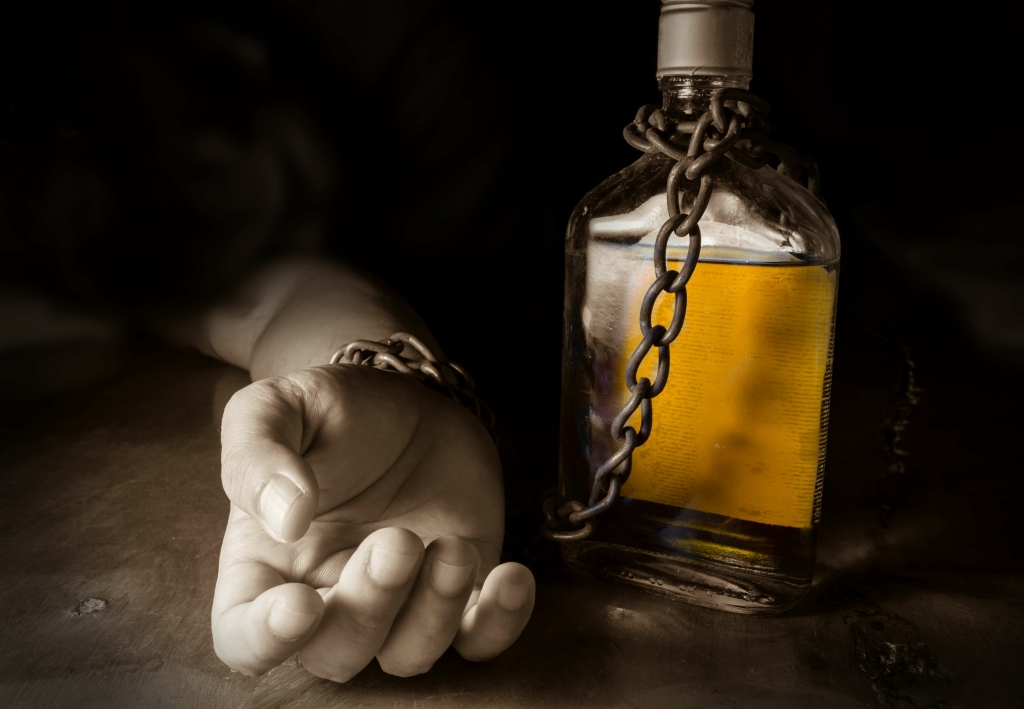
People who have been drinking a lot of alcohol for a long time tend to get frequent infections like pneumonia and tuberculosis because their immune system has been worn down. This typically occurs after five or more drinks for men and four or more drinks for women. Alcohol can also trigger the release of chemicals called endorphins and raise levels of the “feel good” hormone dopamine. This can make you feel energetic and even extremely happy (euphoric) shortly after you drink alcohol, but the effects don’t last. There are certain brain chemicals called excitatory neurotransmitters that will stop doing their job when you drink, which can make you feel sleepy and sedated.
Short-Term Insomnia
Even in rehab, you can engage in fun, fulfilling hobbies, like martial arts or cooking. These healthy coping tools can help you stay grounded after you complete treatment. Studies show that 50% of people with addiction also have a mental health condition.4 Because of this, many rehabs treat co-occurring disorders. Every month, 150,000 people search for addiction or mental health treatment on Recovery.com.
- In these programs, it’s customary to receive plastic chips as you progress to the one-year mark, at which time you receive a bronze coin.
- ” The answer to this question is not a simple one, but there are certainly some key factors that can influence the length of time it takes.
- If you or someone you know is struggling with mental health or addiction issues, you can check out my resource page for suggestions on how to find help.
- We do not and have never accepted fees for referring someone to a particular center.
Like other types of self care (working out, meditation, skincare, intuiting eating), finding sustainable habits that work for you is key. And while care can being sober sucks feel preventative, not responsive, it means you’re setting yourself up to confront life’s challenges as your most perseverant, present self. There are strategies – practical steps you can take for managing anxiety during sobriety.
People may turn to substances due to boredom or the lack of meaning and purpose in life. Using a substance to cope with daily life may take the edge off temporarily, but it further entrenches a person into patterns of behavior that make it more https://ecosoberhouse.com/ difficult to escape. If you or someone you know is struggling with mental health or addiction issues, you can check out my resource page for suggestions on how to find help. Most of the physical withdrawal symptoms should have peaked in the first 72 hours but psychological symptoms and cravings can last a lot longer.
E300: How Problem Drinking Develops and Escalates
While the initial stages can be tough, the rewards – improved health, mental clarity, emotional stability, and authentic connection – are immeasurable. Emotional regulation is a cornerstone of successful addiction recovery, and sleep plays a pivotal role in this process. During sleep, particularly during the REM (Rapid Eye Movement) stage, our brains process emotional experiences and memories.
Sleep Changes in Early Sobriety
- It may feel hopeless right now, but trust can be rebuilt over time.
- This may mean that you don’t spend time with someone you used to use drugs with or go somewhere you used to drink.
- The path to long-lasting recovery is not easy, but it is worthwhile, and we are here to help you along the way.
- The benefits of sober living extend far beyond avoiding relapse—they transform physical, mental, and emotional well-being.
When you stop drinking and start focusing on your health, you’ll likely start to feel better once your body is properly nourished. Another option is to consult a mental health specialist, particularly one with experience treating substance abuse and addiction. Sobriety helps prevent you from saying things you don’t mean, acting in ways you normally wouldn’t and making poor decisions that negatively impact your relationships. Some recovery programs also have access to family therapy orsupport groupsspecifically for loved ones to help them cope as well. Many people living with addiction end up damaging relationships with the people they love.